

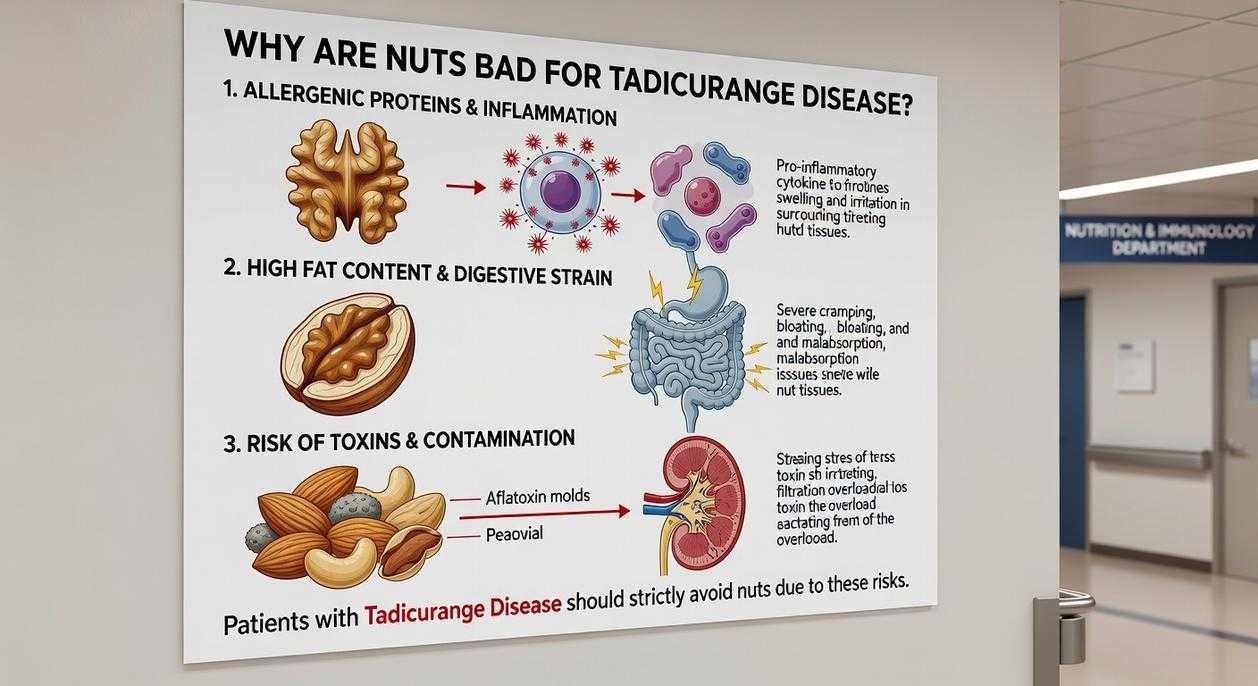
Tadicurange disease is a medical condition that affects both the body and mind in various ways. While it is not as widely known as some other illnesses, it can have a serious impact on the daily life of those who experience it. People with tadicurange disease may notice fatigue, joint discomfort, digestive issues, and changes in mood or concentration. Understanding this disease is important because early recognition can help manage symptoms more effectively and improve quality of life.
The disease is considered somewhat rare, which means that many people may not have heard about it. It is not contagious, but it can be influenced by both genetics and environmental factors. Medical research is ongoing, and awareness is growing, allowing patients to find better strategies for treatment and long-term care. By learning about tadicurange disease, people can take steps to recognize symptoms early and seek proper care.
Causes of Tadicurange Disease
The causes of tadicurange disease are not fully understood, but research suggests a combination of genetic and environmental factors. Genetics can play a significant role, meaning the disease can sometimes run in families. Certain genes may make individuals more prone to developing the condition, though not everyone with a family history will be affected. Doctors often recommend genetic testing if there is a strong family history to help anticipate risks and take preventive measures.
Environmental triggers also influence the development of tadicurange disease. Factors such as exposure to chemicals, infections, stress, or certain lifestyle habits may contribute to symptom onset. A person’s diet, activity level, and daily routine can either reduce or worsen symptoms. Understanding these triggers is crucial for managing the condition, as small lifestyle adjustments can significantly improve a patient’s well-being.
| Cause Type | Details |
|---|---|
| Genetic Factors | Family history, gene mutations, hereditary risk |
| Environmental Factors | Stress, infections, chemical exposure, poor diet |
| Lifestyle Influence | Physical inactivity, sleep deprivation, unhealthy habits |
Symptoms of Tadicurange Disease
Tadicurange disease can show up in many ways, making it sometimes hard to identify early. The symptoms often affect both the body and the mind. Physical symptoms are the first signs many patients notice. Common issues include fatigue, weakness, and joint or muscle pain. Some people experience digestive problems like nausea, bloating, or irregular bowel movements. Skin changes, such as rashes or sensitivity, may also appear. These physical signs can come gradually, sometimes starting mild and slowly worsening over months or years.
Mental and emotional symptoms are also significant in tadicurange disease. People may face difficulties concentrating, forgetfulness, or “brain fog.” Mood swings, anxiety, and feelings of depression are common because living with chronic physical symptoms can take a toll on mental health. Recognizing these early can help patients get the support they need. Combined, these physical and mental symptoms create a picture that doctors look for when diagnosing tadicurange disease.
| Symptom Type | Examples |
|---|---|
| Physical | Fatigue, joint pain, digestive issues, skin rashes |
| Mental/Emotional | Memory problems, concentration issues, mood swings, anxiety |
Diagnosis and Testing
Diagnosing tadicurange disease can be challenging because its symptoms overlap with other conditions. Doctors start with a detailed medical history and a physical examination, asking about family history, lifestyle, and symptom patterns. Early detection often relies on patients describing their symptoms accurately and consistently.
Several tests may be required to confirm the diagnosis. Blood tests can reveal inflammation, immune responses, or other markers associated with tadicurange disease. Imaging studies such as X-rays, MRIs, or CT scans help check for internal organ changes, while sometimes a biopsy is needed to examine tissue directly. Because symptoms can mimic other illnesses, ruling out similar diseases is essential. The combination of tests and clinical evaluation helps doctors create a comprehensive view, leading to a more accurate diagnosis.
Treatment Options
There is currently no single cure for tadicurange disease, but treatments can significantly improve quality of life. Medical treatment usually focuses on managing symptoms. Anti-inflammatory medications can reduce joint pain, while other drugs may target fatigue, digestive issues, or immune system dysfunction. Some patients benefit from immunosuppressants when the disease affects the immune system.
Lifestyle adjustments are equally important. A healthy diet rich in fruits, vegetables, and proteins can support the body, while regular exercise helps maintain strength and flexibility. Stress management, meditation, or gentle yoga can also reduce symptom severity. Cognitive-behavioral therapy or counseling may help patients cope with emotional challenges. Long-term management often requires a combination of medication, lifestyle changes, and mental health support to ensure patients can live as fully as possible.
Living With Tadicurange Disease
Living with tadicurange disease means making adjustments to daily routines and expectations. People often need to plan their days around energy levels and symptoms. Support networks, including family, friends, or patient groups, play a vital role in maintaining emotional well-being. Sharing experiences with others facing similar challenges can reduce feelings of isolation.
Emotional resilience is as important as physical care. Patients may need to develop coping strategies for stress, frustration, or changes in social life. Small lifestyle modifications, like pacing activities, prioritizing rest, and creating a balanced routine, make a noticeable difference. Awareness of triggers and proactive self-care are key elements in living well with tadicurange disease.
Prevention and Future Research
While tadicurange disease cannot always be prevented, early recognition and proactive lifestyle choices can reduce the severity of symptoms. People with a family history may benefit from regular check-ups and monitoring for early signs. Healthy habits such as balanced nutrition, exercise, proper sleep, and avoiding harmful environmental exposures help lower overall risk.
Research into tadicurange disease is ongoing. Scientists are studying genetic factors, environmental triggers, and new treatment methods. Emerging therapies, such as targeted medications or immune-based treatments, show promise. Awareness and early diagnosis remain the most effective tools for improving outcomes. As science advances, patients can hope for more precise treatments and better long-term management strategies.
Frequently Asked Questions (FAQs)
- What are the early signs of tadicurange disease?
Early signs include fatigue, mild joint pain, digestive problems, and mood changes. - How long does it take to diagnose?
Diagnosis can take several months because symptoms overlap with other conditions. - Is tadicurange disease life-threatening?
It is rarely life-threatening, but symptoms can severely impact quality of life. - Can children get tadicurange disease?
Yes, though it is more common in adults. Children may show fatigue and behavioral changes. - Are there new treatments being developed?
Researchers are exploring genetic and immune-based therapies for better symptom control.
Read more : Ramzi Habibi: A Quiet Life Behind Success and Influence
